How Seasonal Temperature Swings Put Stress on Your Home’s Heating and Cooling System and What You Can Do to Stay Ahead of Breakdowns
A heat pump cycling between 32 degrees at dawn and 68 degrees by mid-afternoon can expand and contract hundreds of times across a single season. Each of those cycles places mechanical and electrical load on components that were engineered to handle demand, but not abuse. In the Pacific Northwest, where a damp, cool morning in Redmond can give way to a dry, sunny afternoon in Sammamish, your system rarely settles into a steady rhythm. It works hardest during these transitions, and that is exactly when hidden problems tend to surface.
Understanding how temperature swings affect your equipment is the first step toward preventing a failure at the worst possible moment. Below, we walk through the specific ways seasonal changes strain your system, the scenarios where breakdowns most often occur, and the practical steps you can take to stay ahead of them. This is the kind of guidance we share with homeowners across Union Hill-Novelty Hill, Overlake, Kirkland, and Bellevue every year.
What Temperature Swings Actually Do to Your Equipment
When outdoor temperatures rise and fall quickly, your furnace, air conditioner, or heat pump has to start and stop more often. This is called short cycling, and it is one of the most common sources of premature wear. Each startup draws a surge of electrical current, stresses the compressor or igniter, and pulls more from capacitors and relays than steady operation does. Over a season, thousands of these cycles add up to accelerated aging.
Thermal expansion and contraction also take a toll on physical components. Heat exchangers, refrigerant lines, and ductwork all flex as temperatures change. Small cracks, loose fittings, and worn seals that go unnoticed in stable weather can widen when the metal moves repeatedly. A connection that held firm all summer may begin to leak refrigerant once the nights turn cold, reducing efficiency and forcing the system to run longer to reach the same setpoint.
Scenario One: The First Cold Snap of the Season
The most frequent service calls we receive come during the first sharp drop in temperature. A furnace that sat idle through the summer is suddenly asked to run for hours. Dust that settled on the igniter or burners can cause rough starts, and a cracked heat exchanger that was invisible during light use becomes a safety concern under full load. Homeowners often assume the system failed overnight, when in reality the problem had been developing for months.
Staying ahead of this scenario means testing your heating before you need it. We recommend running your furnace or heat pump for a full cycle in early autumn, listening for unusual noises and checking that warm air reaches every room. If anything seems off, scheduling service early gives you time to address it before the cold truly arrives and before the seasonal rush makes appointments harder to secure.
Scenario Two: The Unexpected Warm Stretch
Our region occasionally sees warm afternoons well into fall or early spring. When your air conditioner or heat pump kicks on after being dormant, low refrigerant, a dirty condenser coil, or a failing capacitor can reveal itself immediately. The same swing that brings welcome sunshine forces your cooling side to perform without any warmup period, and weak components give out under that sudden demand.
The remedy here mirrors the heating side. A quick off-season check of the outdoor unit, including clearing leaves and debris from around the condenser and confirming the fan spins freely, prevents many of these surprise failures. Keeping the area around your outdoor equipment clear of landscaping growth also improves airflow and reduces strain year round.
Practical Steps to Prevent Seasonal Breakdowns
You do not need to be a technician to extend the life of your system. A handful of consistent habits dramatically reduce the chance of an inconvenient failure during a temperature swing.
- Replace air filters regularly: A clogged filter restricts airflow, forces longer run times, and raises the risk of overheating during heavy-use periods.
- Keep vents and registers clear: Blocked supply or return vents create pressure imbalances that stress the blower motor.
- Schedule seasonal maintenance: A professional inspection catches worn capacitors, low refrigerant, and loose connections before they cause a shutdown.
- Program your thermostat thoughtfully: Gentle, gradual temperature changes put less strain on equipment than large, sudden adjustments.
- Listen and watch for early warning signs: Unusual noises, odd smells, or uneven temperatures are often the first indication of a developing problem.
Why Specialized Service Makes a Difference
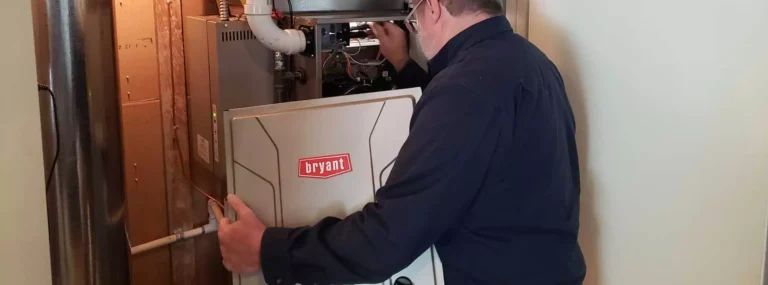
At Pearce Heating & A/C, Inc., we have worked with Bryant products for more than 25 years. We made the deliberate choice to specialize rather than spread our team thin across every brand on the market. It is hard to keep up with new technology when technicians are expected to repair everything, so we fully train our team on the Bryant equipment we install. That focus means faster, more accurate diagnosis when a seasonal issue appears, and repairs that hold up through the next round of temperature swings.
We also believe that a major home investment deserves careful thought. If a company tells you that you must sign a contract today to lock in a special price, that is a reason to think twice. Pearce Heating & A/C, Inc. always gives you 30 days with our price guarantee to make your decision. You should feel confident you are making the right choice for your home.
Our customers choose us because we are upfront, honest, available when you need help, and we treat you the way we treat our own friends and family. We stand behind our work and our workmanship. When the seasons turn and your system is asked to work its hardest, that commitment is what keeps your home comfortable without the stress of an unexpected breakdown.