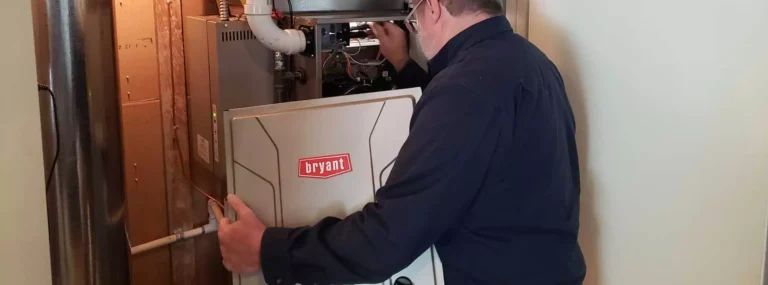
If your furnace is struggling through another Redmond winter, or you are planning a new build and need a heating system that fits the home from day one, the decision in front of you is bigger than most people expect. A heating installation is not a simple swap. It affects your comfort every day, your energy bills every month, and the value of your property for years. Choosing the right equipment and the right installer sets the tone for how your home performs through every cold, wet season the Pacific Northwest sends your way.
At Pearce Heating A/C Electric, we approach every installation as a long-term relationship rather than a single transaction. That mindset shapes how we size equipment, how we talk with homeowners, and how we stand behind the work after the job is done. Below, we walk through what a professional heating installation looks like, how we make decisions, and why the details matter more than most people realize.
What Separates a Good Installation From a Rushed One
Many heating problems that show up years after an installation trace back to the day the system was put in. A furnace or heat pump that was oversized will short-cycle, turning on and off too often. That wastes energy, wears out components early, and leaves rooms unevenly heated. A system that was undersized will run constantly and still fail to keep up during the coldest stretches. Neither problem is the equipment’s fault. Both come from skipping the careful planning stage.
We start every project by studying the home itself. Square footage, ceiling height, insulation levels, window placement, ductwork condition, and how the house is used all factor into the correct sizing. A detailed load calculation gives us the real heating demand instead of a rough guess. This step takes time, but it is the foundation of a system that runs efficiently and lasts. When the planning is done right, the equipment simply does its job quietly and reliably for years.
The Installation Process Step by Step
A clear process keeps surprises to a minimum and makes sure nothing important is overlooked. We believe homeowners should understand what is happening in their home at every stage, so we explain each part before we begin. Our typical heating installation follows a predictable path from the first visit through final testing.
- Home evaluation and load calculation: We measure the space, inspect existing ductwork, and calculate the true heating demand before recommending any equipment.
- Equipment selection and review: We present the options that fit your home and explain the differences so you can make an informed choice with no pressure.
- Removal of the old system: We safely disconnect and remove the existing furnace or heat pump, protecting your floors and walls during the process.
- Installation and connections: We set the new equipment, connect ductwork, electrical, and controls, and seal all joints to prevent air loss.
- Testing and commissioning: We verify airflow, temperature rise, and safe operation, then walk you through how to run and maintain the system.
Each step builds on the one before it. Skipping or rushing any part introduces risk, which is why we hold to the same thorough method on every job, whether it is a compact townhome or a large multi-level house. Careful commissioning at the end confirms the system performs the way the planning stage promised it would.
Choosing Equipment Built for the Northwest Climate
Redmond and the surrounding communities deal with long, damp, cool seasons rather than extreme cold. That climate rewards equipment that runs efficiently through many hours of moderate heating demand. A system that modulates its output, rather than only switching fully on or off, keeps indoor temperatures steady and uses less energy over the course of a winter. Heat pumps in particular have become a strong choice here because they handle the region’s mild temperatures well and provide both heating and cooling from one system.
We have worked with Bryant products for over 25 years at Pearce Heating A/C Electric, and that long partnership is a deliberate choice. It is hard to keep up with all the changes and new technology if you spread your team too thin, working and repairing all products and brands. We fully train our technicians on our Bryant equipment so we can specialize in what we install. That focus means we know these systems inside and out, from the control boards to the airflow characteristics, and we can install them to perform exactly as the engineering intends.
Why Specialization Produces Better Results
There is real value in a team that installs the same quality equipment every day. When technicians work with one proven product line, they recognize the subtle signs of a correct or incorrect installation faster. They know the right torque, the proper clearances, and the settings that squeeze the best efficiency out of the hardware. A generalist who installs a dozen different brands cannot carry that depth of knowledge for every product.
Pearce Heating A/C Electric believes it is important to deliver high-quality service with high-quality products. We stand behind our work and workmanship, and that confidence comes from specializing in equipment we trust completely. When you invest in a new heating system, you want it installed by people who have done the exact job hundreds of times before, not people learning on your home.
Common Situations That Call for a New Heating System
Homeowners come to us for heating installation under many different circumstances. Recognizing which situation you are in helps clarify the right path forward. Some systems are simply worn out, while others are being replaced as part of a larger improvement to the home.
A furnace that is more than fifteen to twenty years old and needs frequent repairs is often costing more to keep running than it would cost to replace. New construction and major remodels are another common reason, since a fresh system can be sized perfectly for the finished layout. Many homeowners also upgrade when they want to add air conditioning, since a modern heat pump handles both heating and cooling and removes the need for separate equipment. Whatever brings you to us, we evaluate the whole picture before recommending a replacement.
Honest Advice and a Price Guarantee You Can Trust
A heating installation is a large investment in your home, and you should feel completely confident before you commit. Some contractors apply pressure to force a quick decision. If a company says you need to sign a contract today to get a special price, one should think twice about hiring them. That tactic serves the salesperson, not the homeowner.
We take the opposite approach. Pearce Heating A/C Electric always gives you 30 days with our price guarantee to decide on the commitment. That window gives you time to compare, ask questions, and talk it over with your family without anyone rushing you. Our customers choose us because we are upfront, honest, available for help, and treat you like we treat our friends and family. We would rather earn your trust with patience than pressure you into a decision you are not ready to make.
Serving Redmond and the Surrounding Communities
Our heating installation work extends throughout Redmond and nearby areas, including Redmond, Union Hill-Novelty Hill, Sammamish, Overlake, Bellevue, and Kirkland, WA. Each community has its own mix of home styles, from newer developments to established neighborhoods with older systems that are due for an upgrade. We bring the same careful process and specialized knowledge to every address we serve.
When you are ready to talk about a new heating system, or even if you only want an honest assessment of whether your current one still has life left in it, we are here to help. A well-planned installation from a team that specializes in its equipment pays you back through quiet, reliable comfort year after year. That is the standard we hold ourselves to on every project, and it is the reason so many homeowners in the area continue to call on Pearce Heating A/C Electric for their heating needs.